STEP 01
Orbit & Calibration
Precise orbit state vectors are applied to refine the satellite position, followed by radiometric calibration to convert raw digital numbers to σ⁰.
Normalises SAR backscatter against terrain geometry so pixel intensities reflect surface properties instead of slope and aspect, enabling consistent multi-temporal analysis.
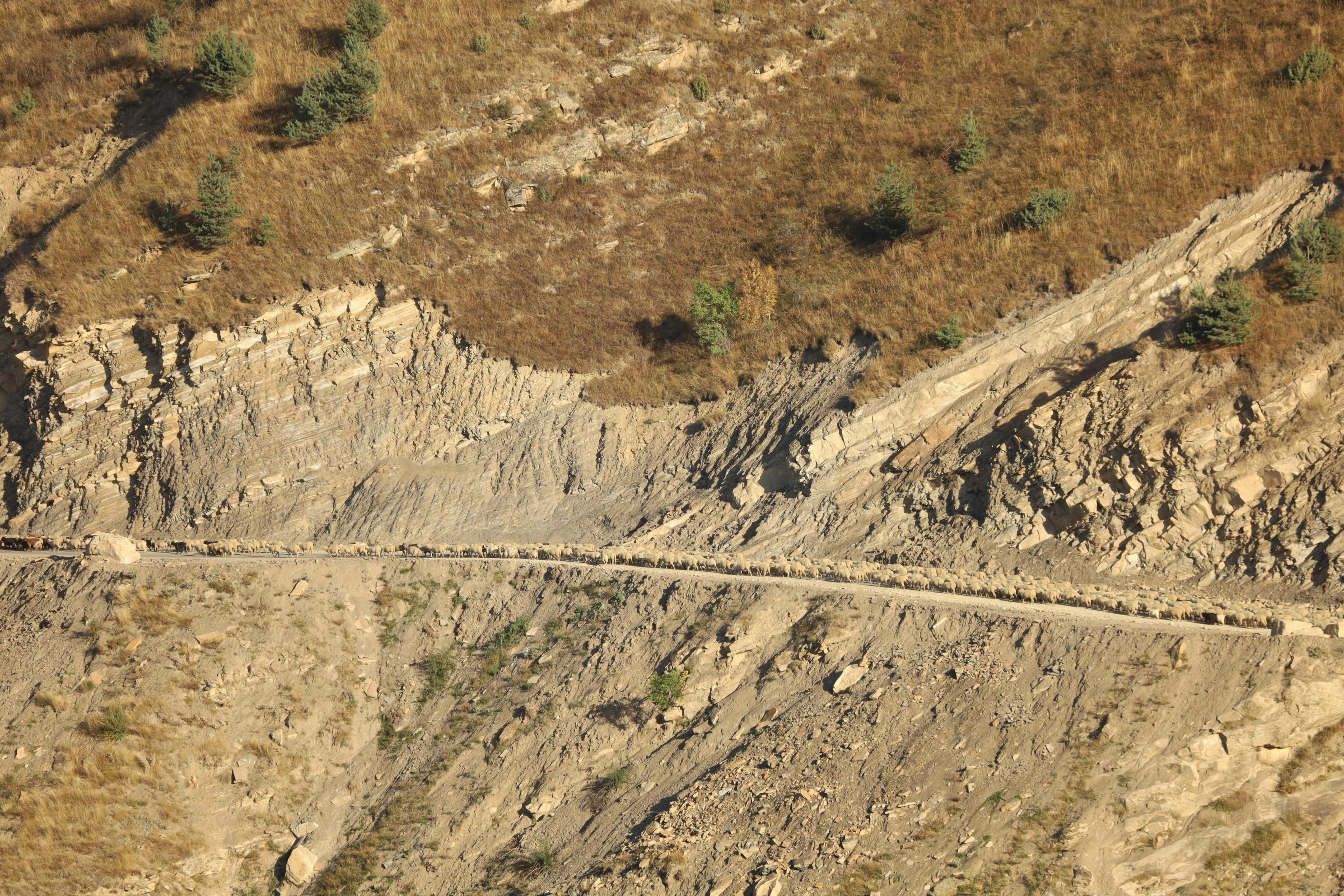
Radiometric Terrain Correction (RTC) is a processing step that removes the radiometric distortions in SAR images caused by variations in terrain slope. Without it, the same forest, field, or flooded area produces very different backscatter values depending on which way the ground tilts relative to the satellite.
RTC normalises the radar backscatter coefficient (sigma-nought, σ⁰) by computing the local incidence angle at each pixel from elevation data, then projecting the values into terrain-corrected γ⁰ (gamma-nought), the backscatter per unit area on the local terrain surface. The corrected pixel is comparable across slopes, sensors, and acquisition geometries.
Sentient runs RTC across every SAR scene that enters the platform, so downstream models, change detection, biomass, flood mapping, work on a consistent radiometric baseline regardless of where the scene was acquired.
Precise orbit state vectors are applied to refine the satellite position, followed by radiometric calibration to convert raw digital numbers to σ⁰.
The DEM is reprojected into the SAR slant-range / azimuth coordinate system using the Range-Doppler terrain-correction approach, so every elevation sample lines up with its corresponding radar pixel.
For each pixel, the local incidence angle (θ_loc) is computed as the angle between the radar look vector and the local surface normal derived from the DEM.
Backscatter is normalised pixel-by-pixel using γ⁰ = σ⁰ × (sin θ_ref / sin θ_loc), where θ_ref is a chosen reference incidence angle. Slopes that previously appeared bright or dark for purely geometric reasons collapse to a comparable scale.
The corrected γ⁰ values are resampled from radar geometry to a map projection (typically UTM), producing a geocoded, radiometrically terrain-corrected product ready for analysis.
Normalised backscatter enables consistent classification across mountainous and flat terrain without topographic bias.
γ⁰ values correlate with above-ground biomass independently of terrain slope, enabling reliable forest-inventory mapping.
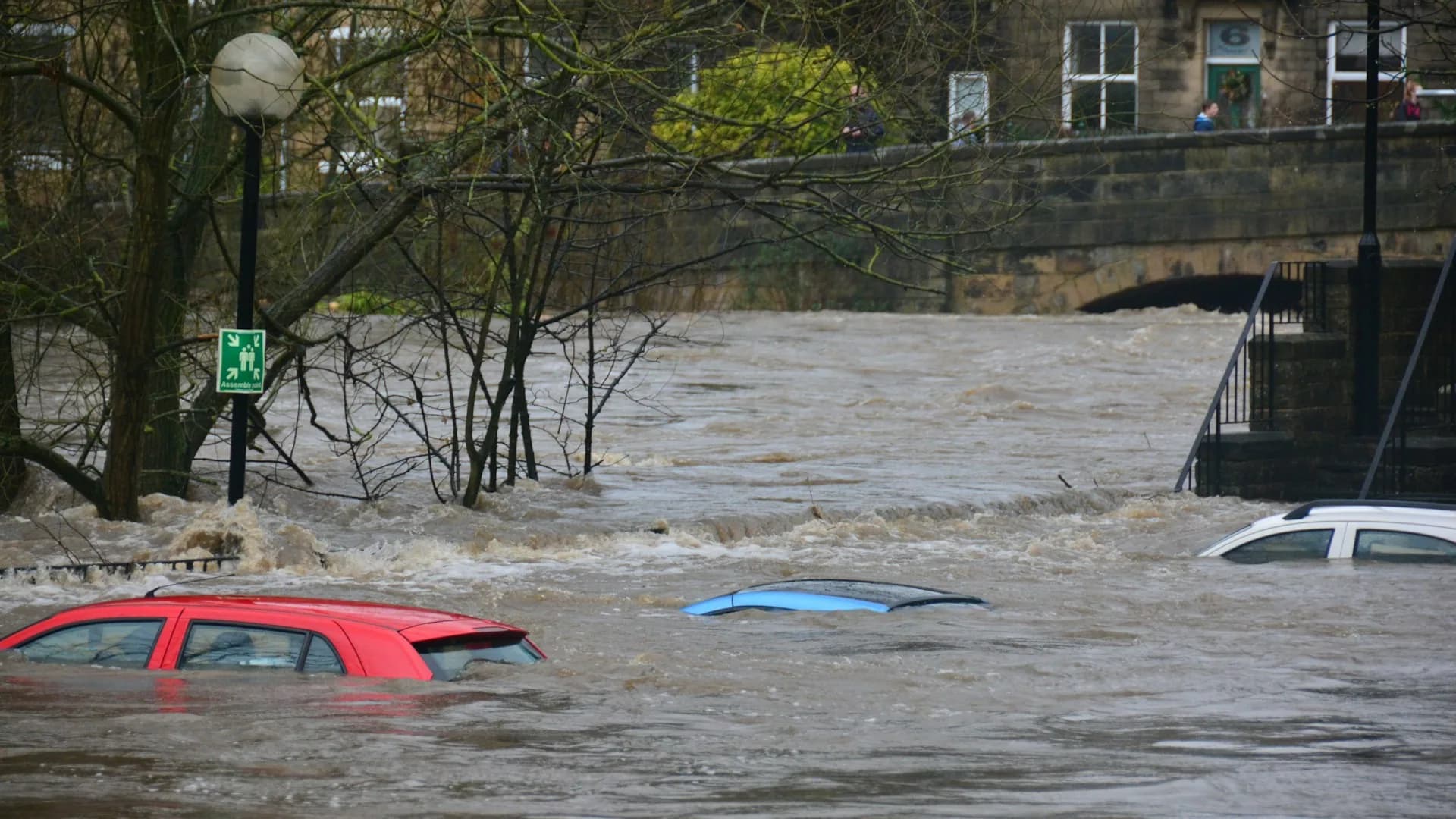
Terrain-corrected SAR distinguishes true water surfaces from radar shadow in valleys, reducing false-positive flood detections.
Consistent radiometry across acquisitions with different orbital passes enables robust multi-temporal change detection.